


Every mother and child care workshops
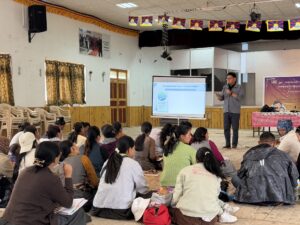
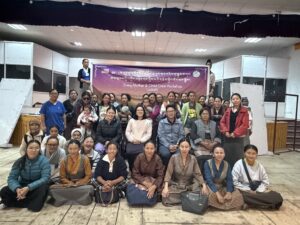
MES was engaged by the CTA’s Department of Health to provide early childhood care and education training to parents of newborns (ages 0–2) and expecting mothers as part of the Every Mother & Childcare (EMC) program. From April to July 2026, workshops were conducted across eight Tibetan settlements: Miao, Tezu, Tenzingang, Bhandara, Mainpat, Odisha, Dekyiling, and Ladakh. Additionally, a training-of-trainers session was delivered to nurses from various Tibetan settlements in Dharamsala in May 2026. Overall, more than 500 parents participated in the program. The workshops covered critical topics such as early reading and emergent literacy practices, the harmful effects of excessive screen time alongside management strategies, and the fundamental importance of free play.
Little voices, Big verses
On August 30, 2026, Kelsang Dolker facilitated a poetry session for primary grade students. For some participants, the session was a unique learning opportunity, as poetry was a completely new topic for them. Kelsang explained in simple terms how poetry differs from a story, both in its format and in the way it is listened to and experienced. Kelsang used nursery rhymes and library poetry books to introduce the concept simply. Before reading “Dreams” by Langston Hughes, she initiated a brief discussion by asking, “What is a dream?”
This discussion created a meaningful entry point into Hughes’s poem, helping the students understand that poetry can express ideas, feelings, and aspirations. Rather than focusing heavily on technical aspects, the session aimed to help students become comfortable with the medium. Ultimately, the session encouraged them to see poetry as a form of expression. By the end, they left the library with a basic understanding of what a poem is and a new openness toward listening to and engaging with poetry.
Leave a Reply